Brand Identity Design for World Wide Technology’s Annual Onsite
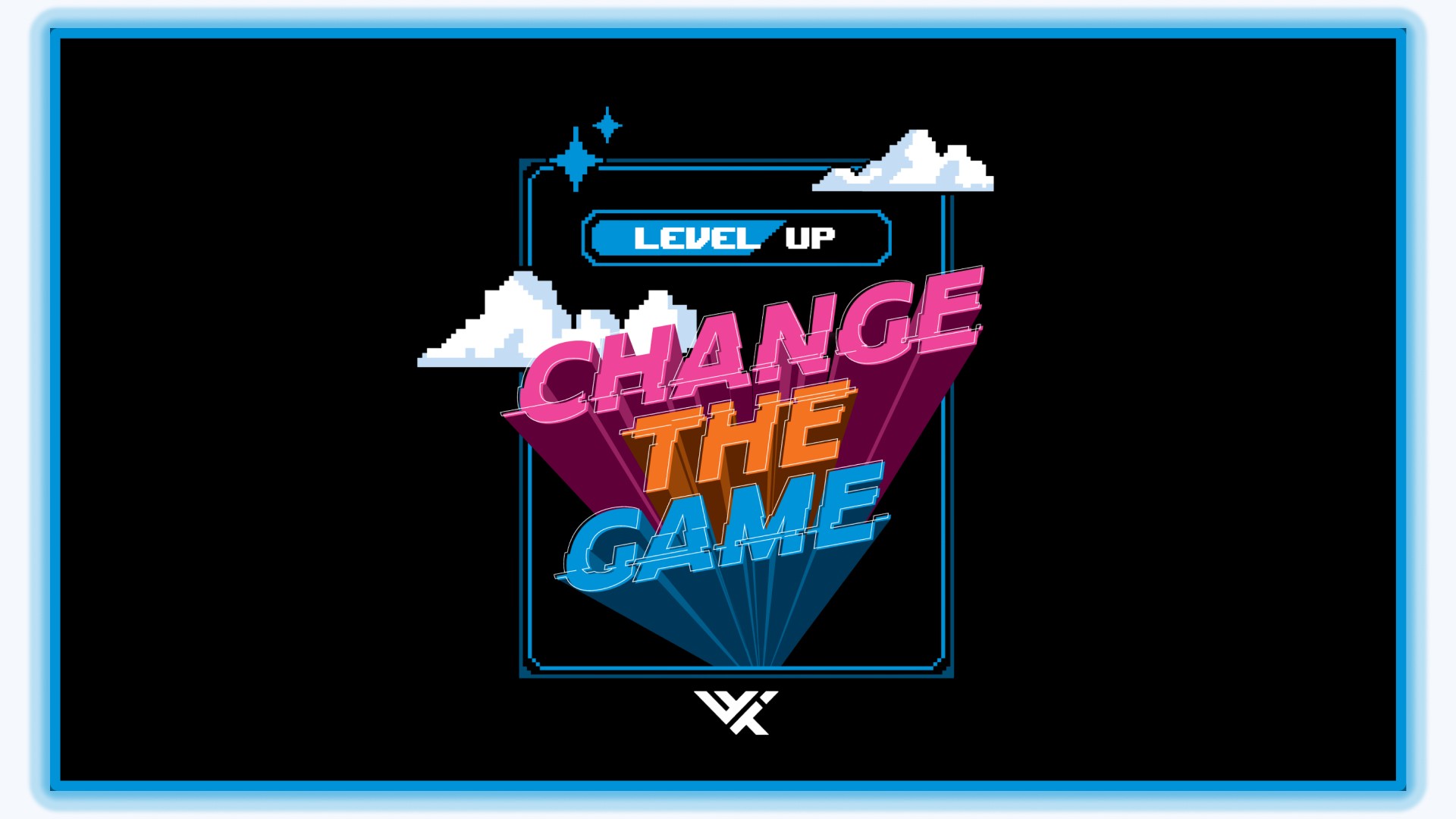
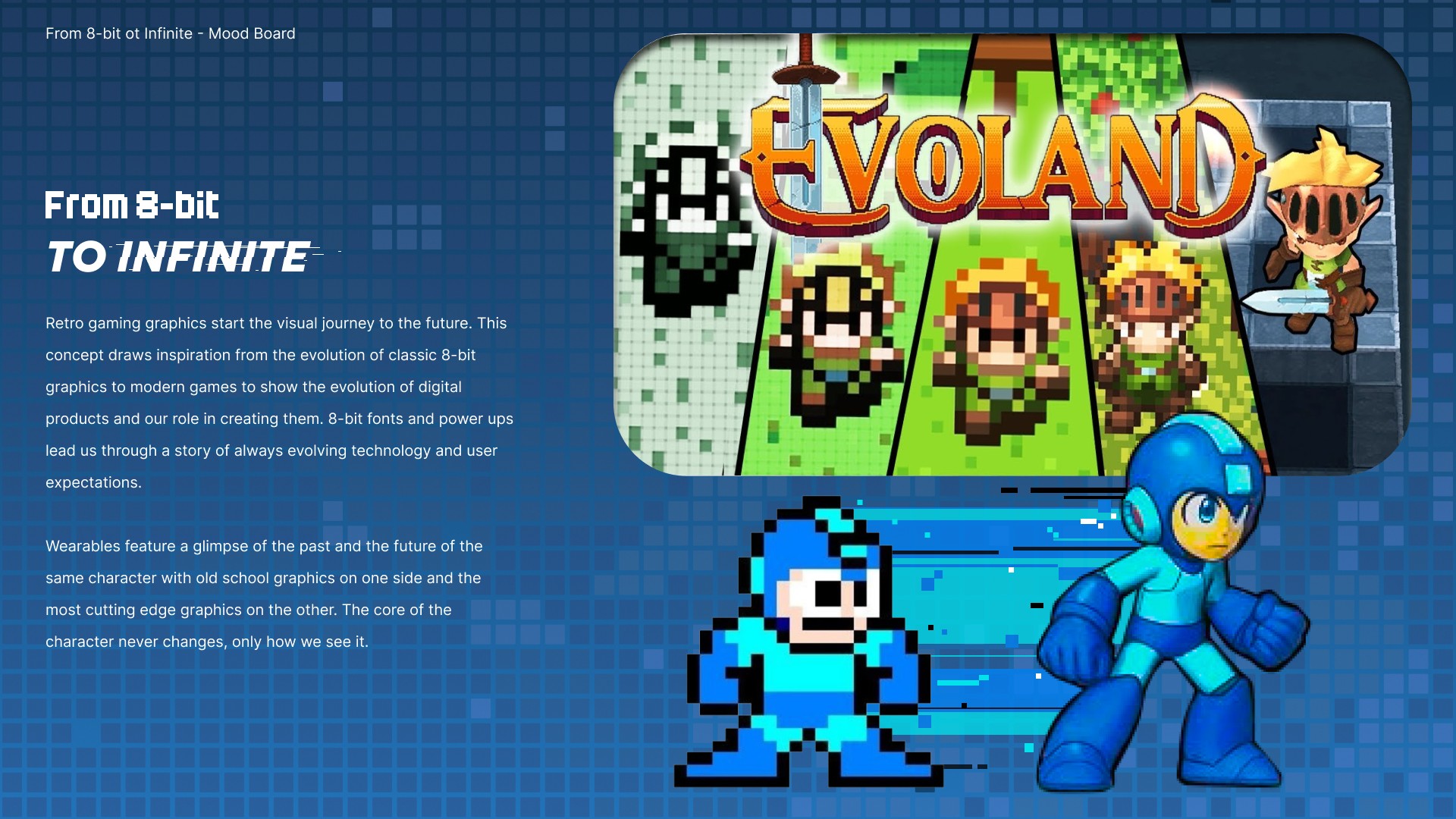
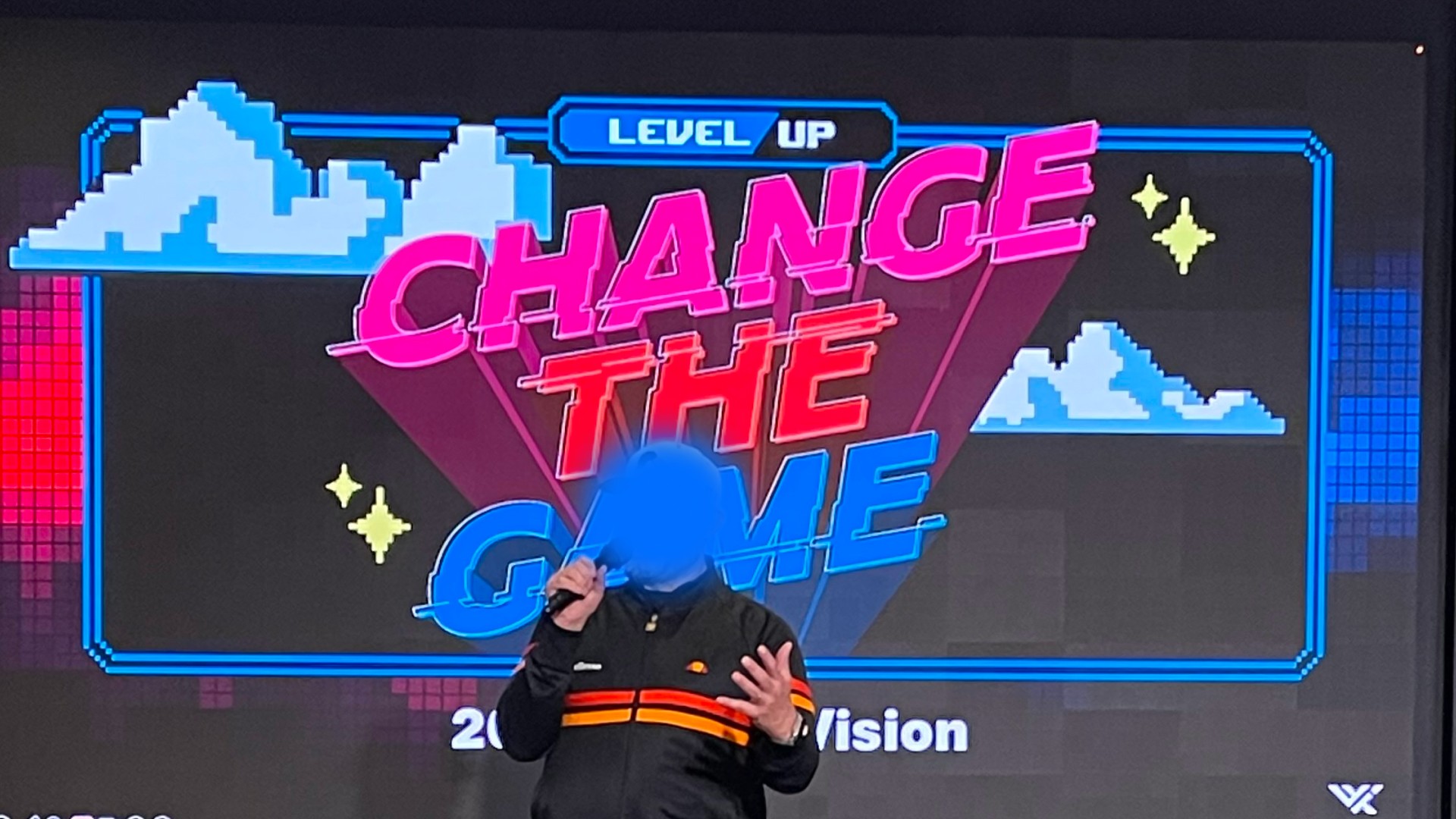
During my internship at World Wide Technology, I worked alongside four other interns to organize the annual Digital Team onsite. I led the design side of the event, collaborating with a team of designers to develop a cohesive brand activation. Inspired by the evolution from 8-bit gaming to modern digital experiences, the theme combined pixel-based visuals, dimensional typography, and character transformations to convey a spirit of leveling up and changing the game in a rapidly evolving digital landscape. I contributed to the design and coordination of event merchandise, graphics, and slide decks, creating a unified visual system across the event.
01
Goals & Constraints
Establish a cohesive visual system that supports a clear event narrative
Align closely with the creative brief and stakeholder vision
Use visual storytelling to balance nostalgic retro-gaming aesthetics with modern innovation
Maintain visual clarity while delivering engaging designs
Adapt the visual story consistently across apparel and slides
02
My Role
Drove the event’s brand identity and visual system
Explored and aligned concepts through moodboards and critiques
Designed key assets across apparel, slides, and graphics
Developed character concepts to support the event narrative
Led collaboration with designers, stakeholders, and cross-functional partners
03
Early Exploration
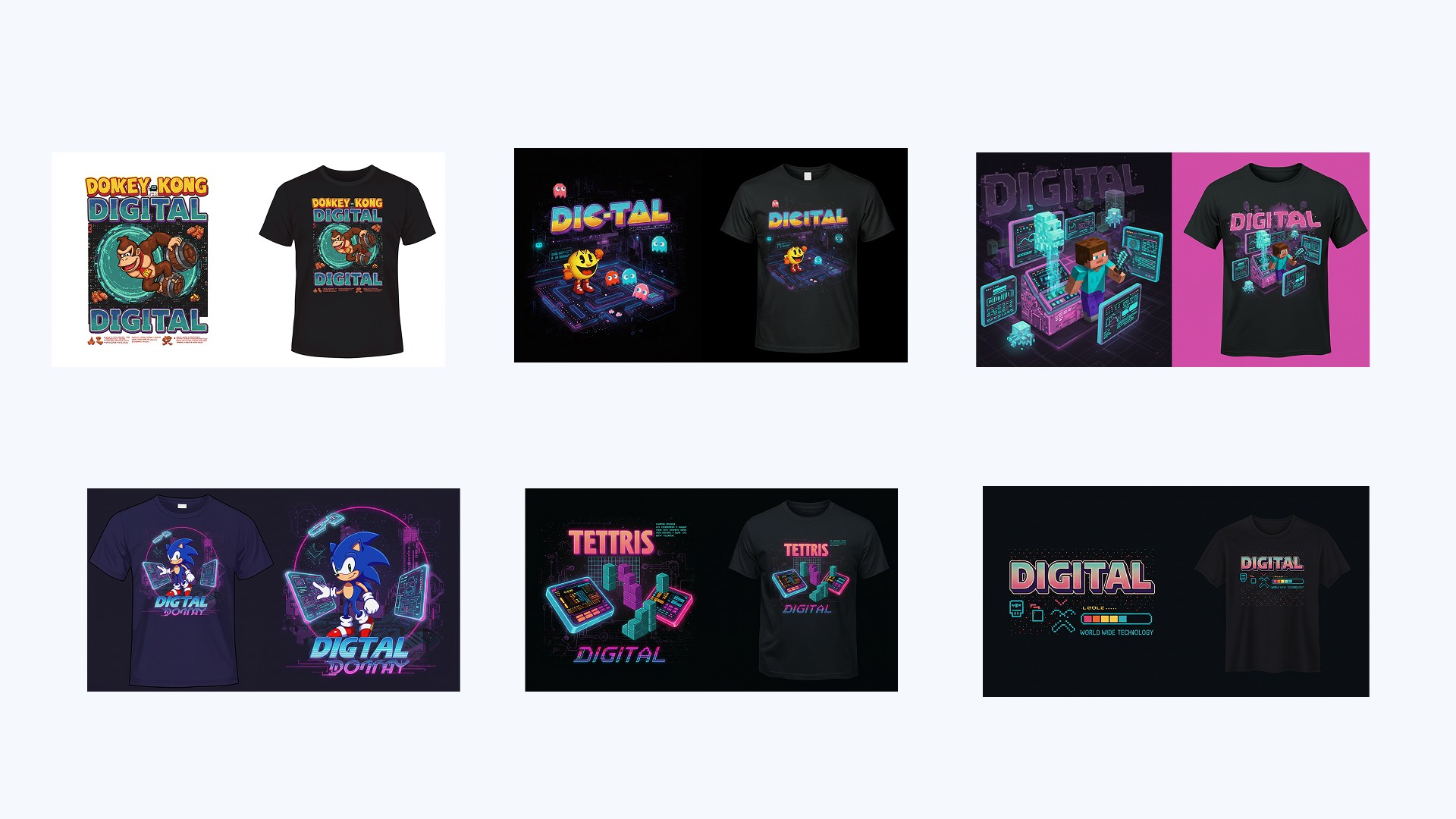
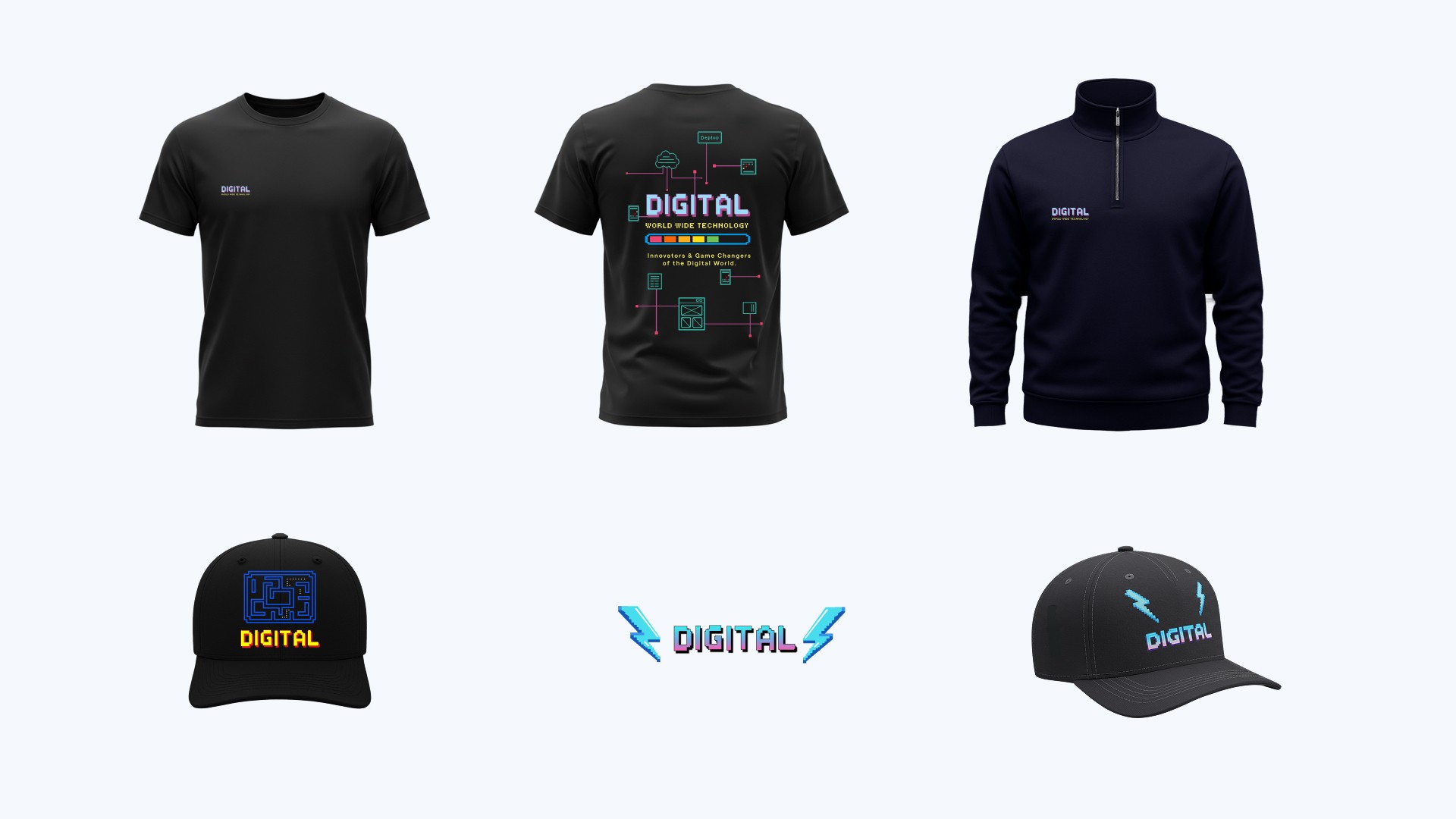
Initially, to brainstorm and rapidly generate concepts, I strategically leveraged AI tools such as Google ImageFX and Whisk, using deliberate prompting to guide the tools rather than letting them dictate the direction of my concept exploration. I then refined the selected concepts using Figma, Adobe Illustrator, and Photoshop in preparation for design critique.
04
Concept Alignment
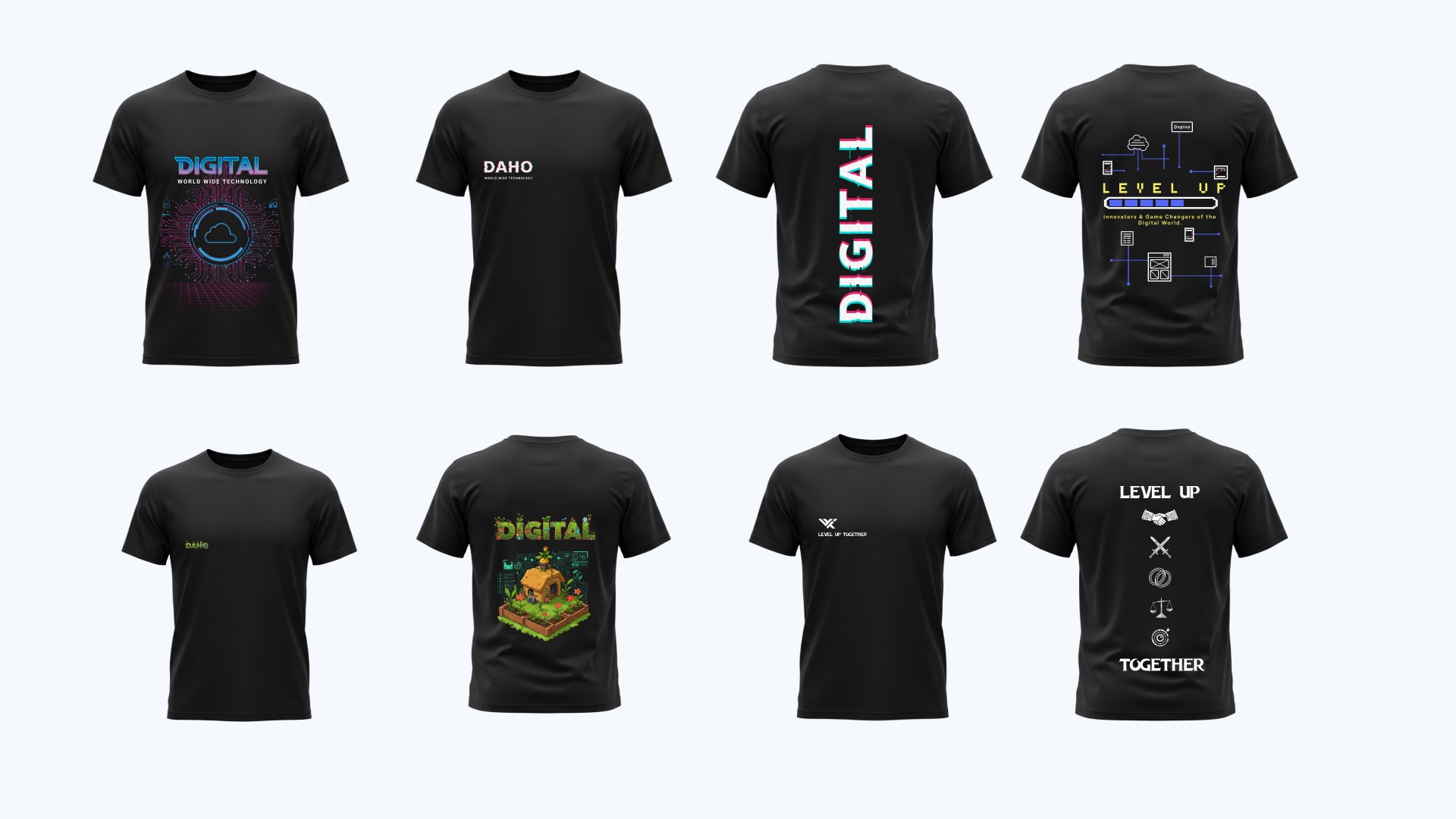
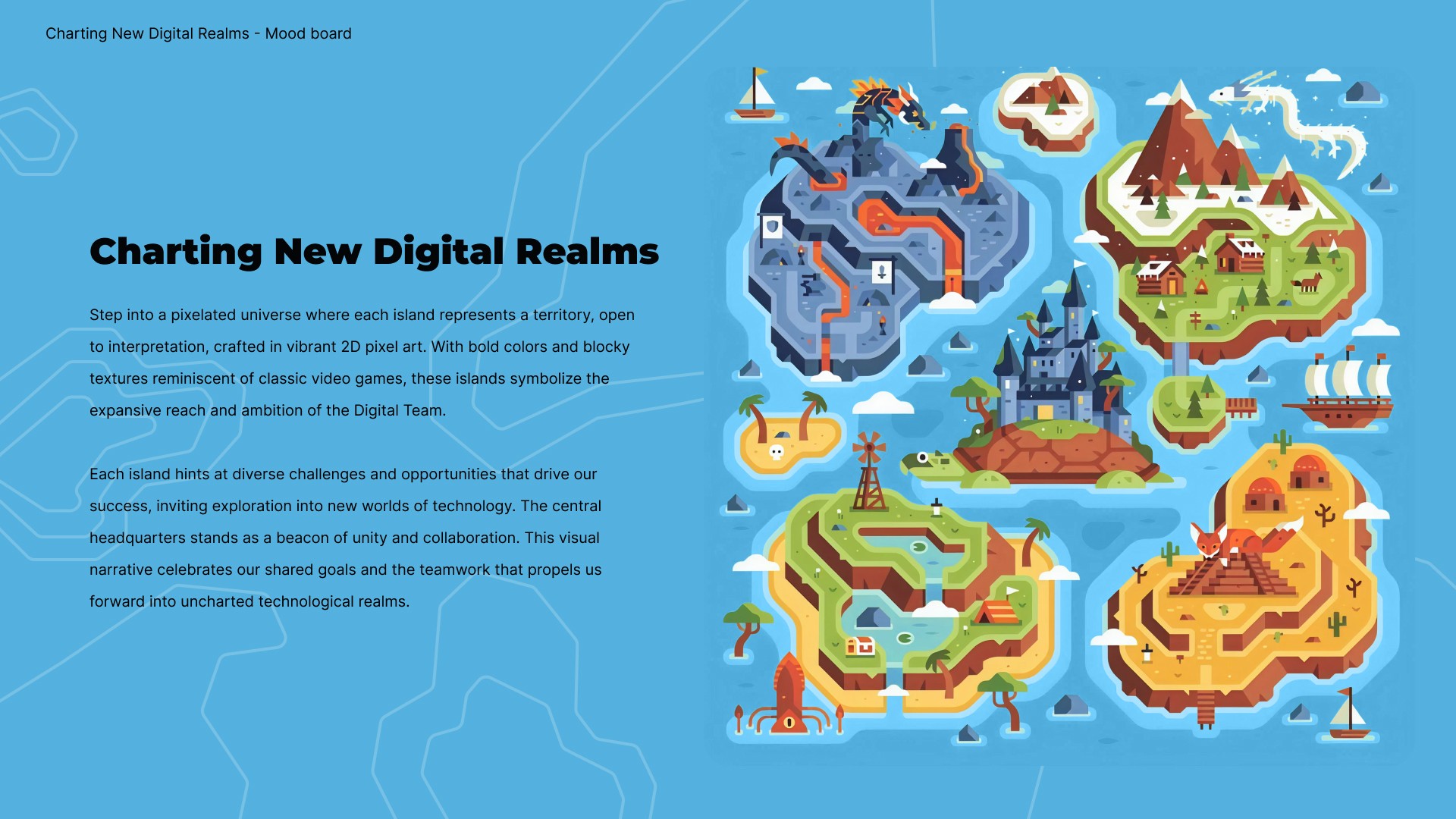
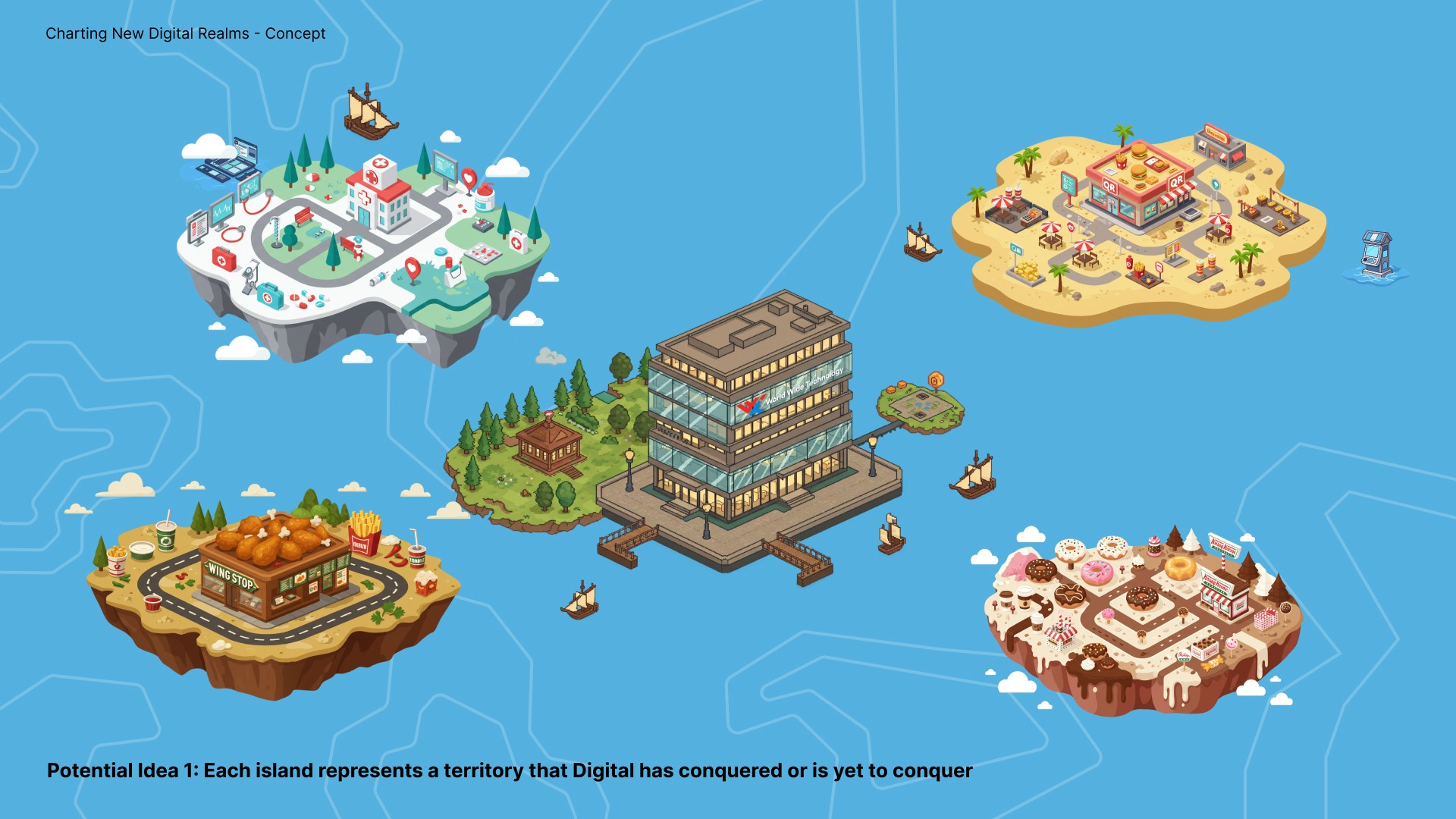
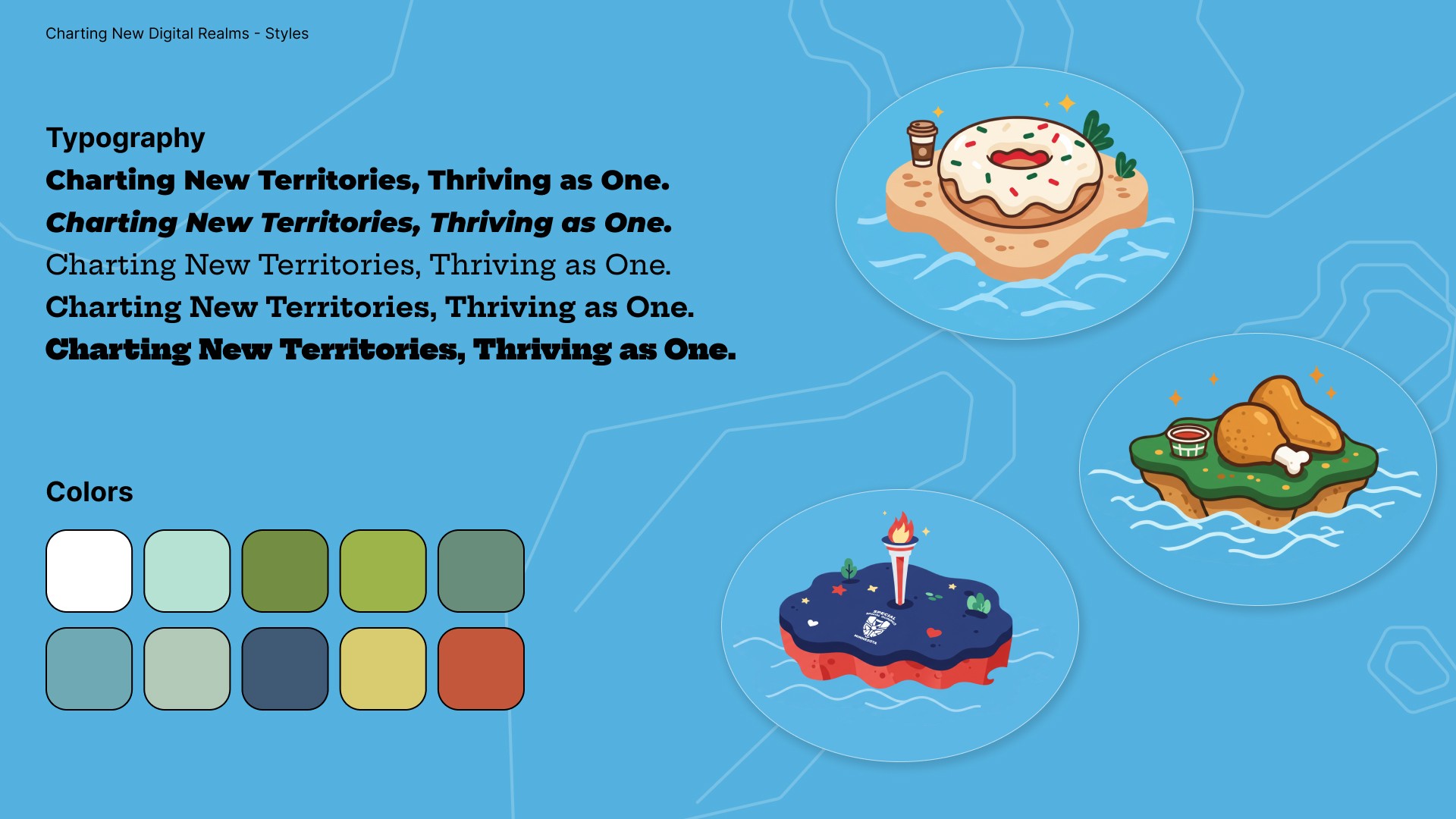
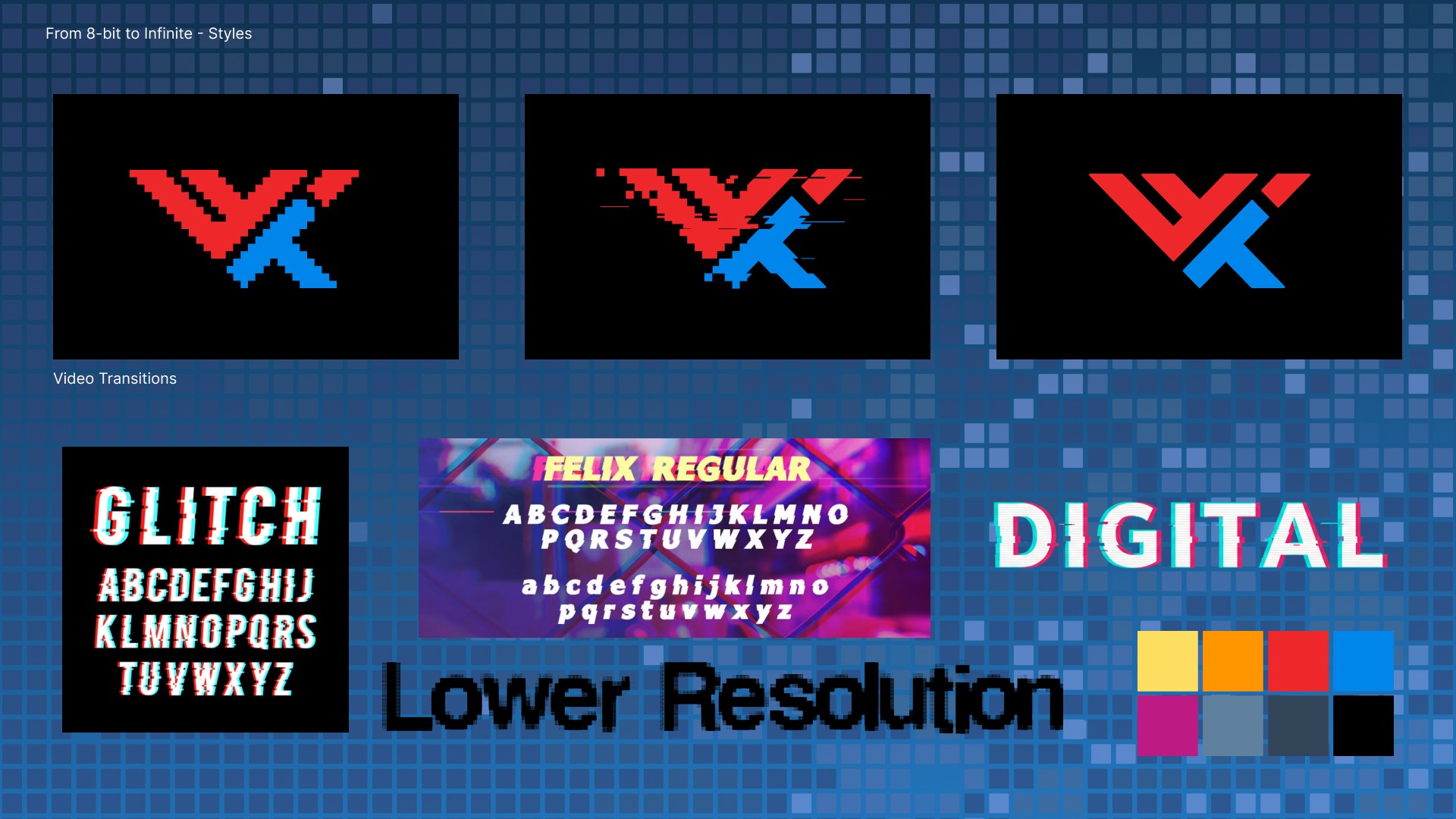
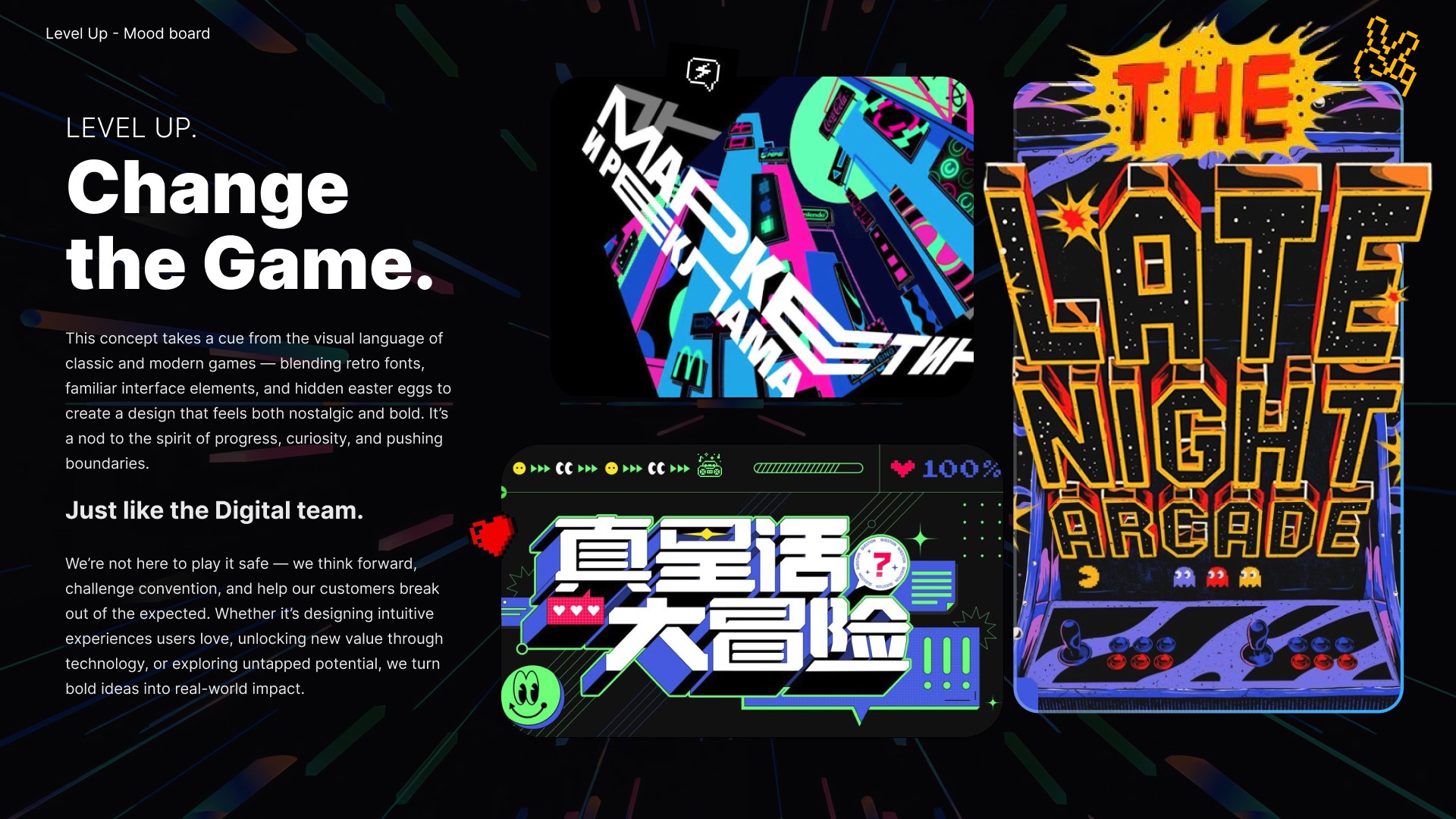
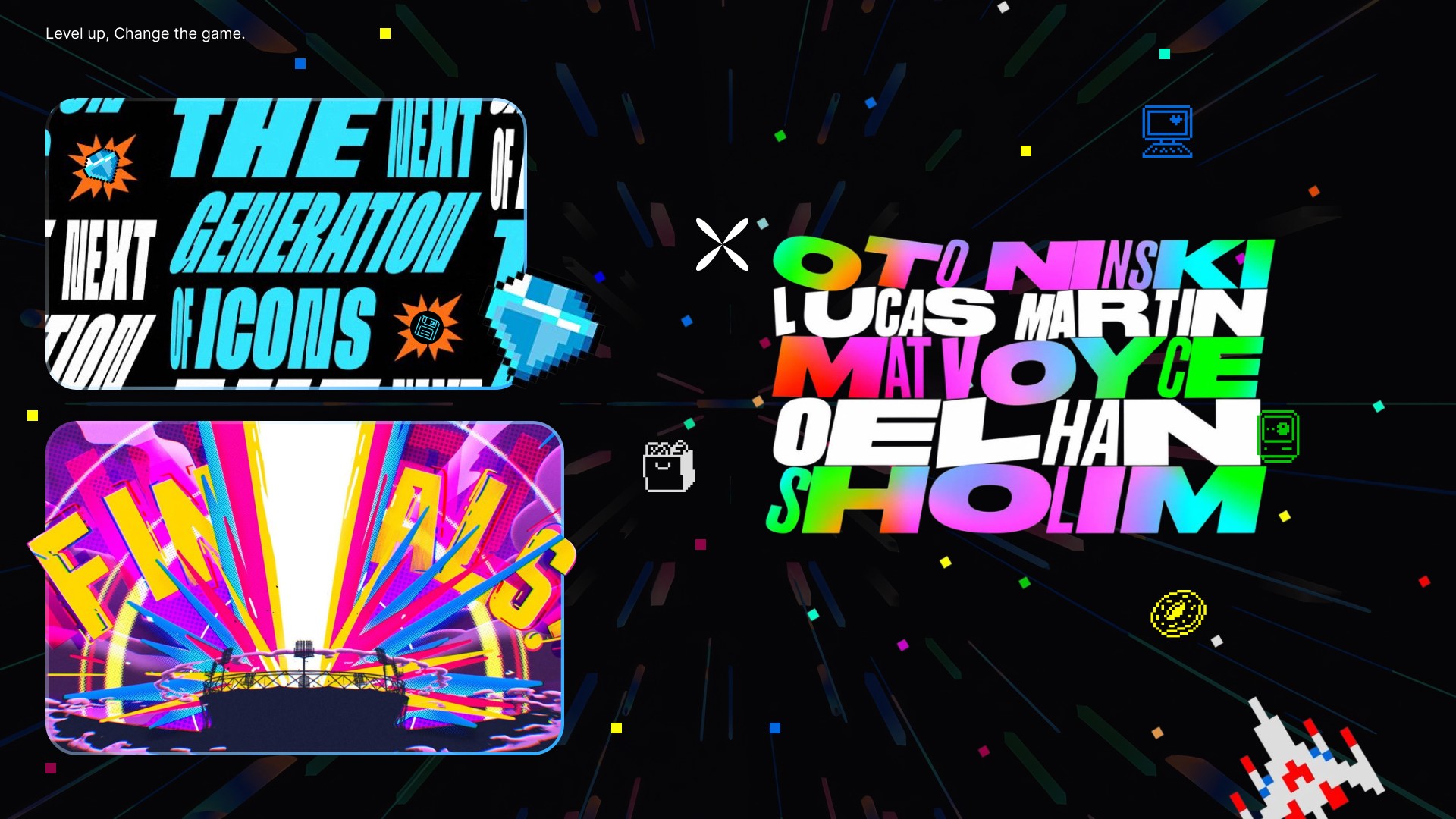
The feedback we received from the initial concept exploration was to unify the exploration into three clear, distinct visual directions to present to the head of our department at the next alignment meeting, ensuring a clear path forward for the overall concept. We unified these concepts by creating three moodboards.
05
Apparel Design
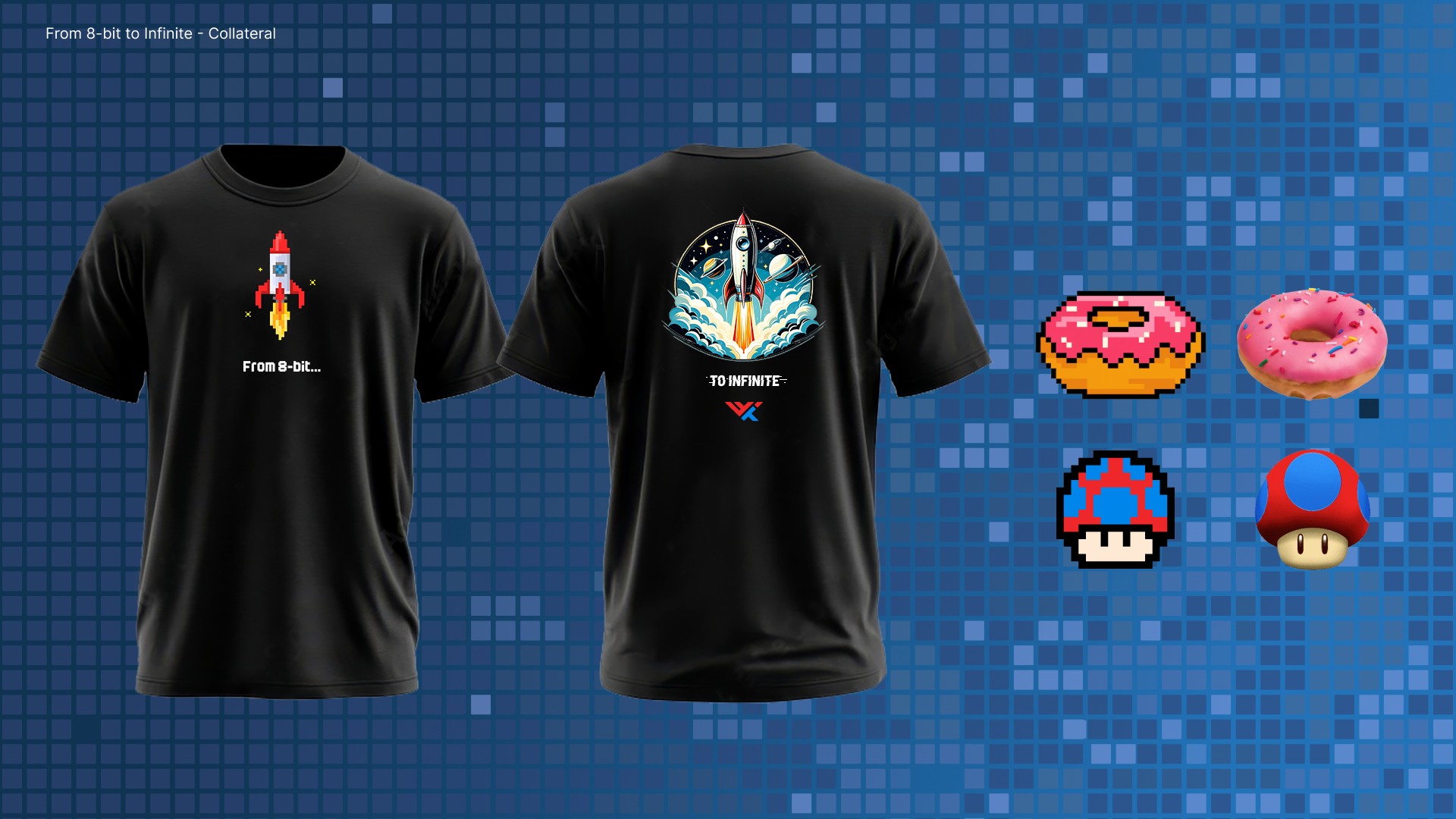
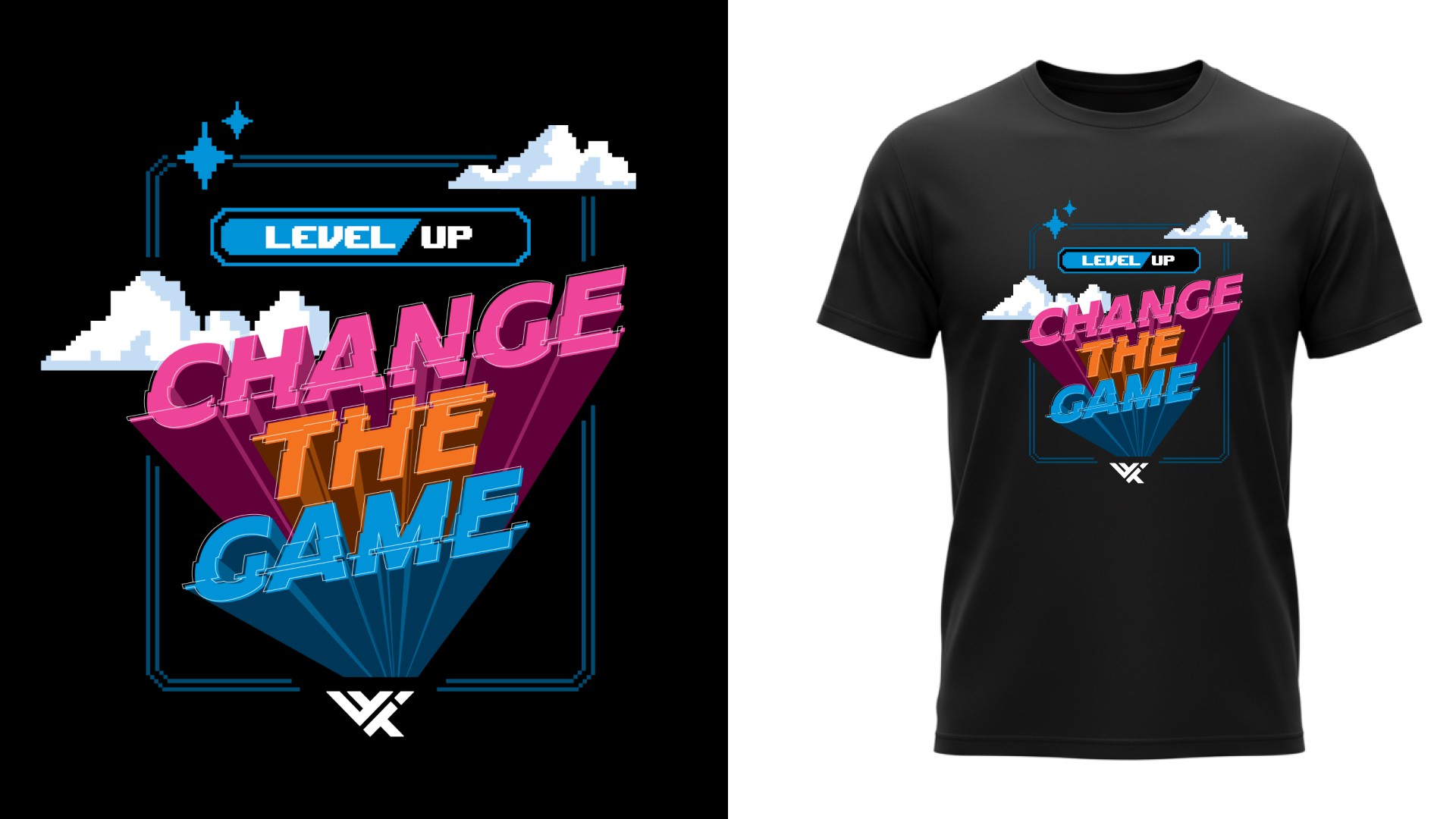
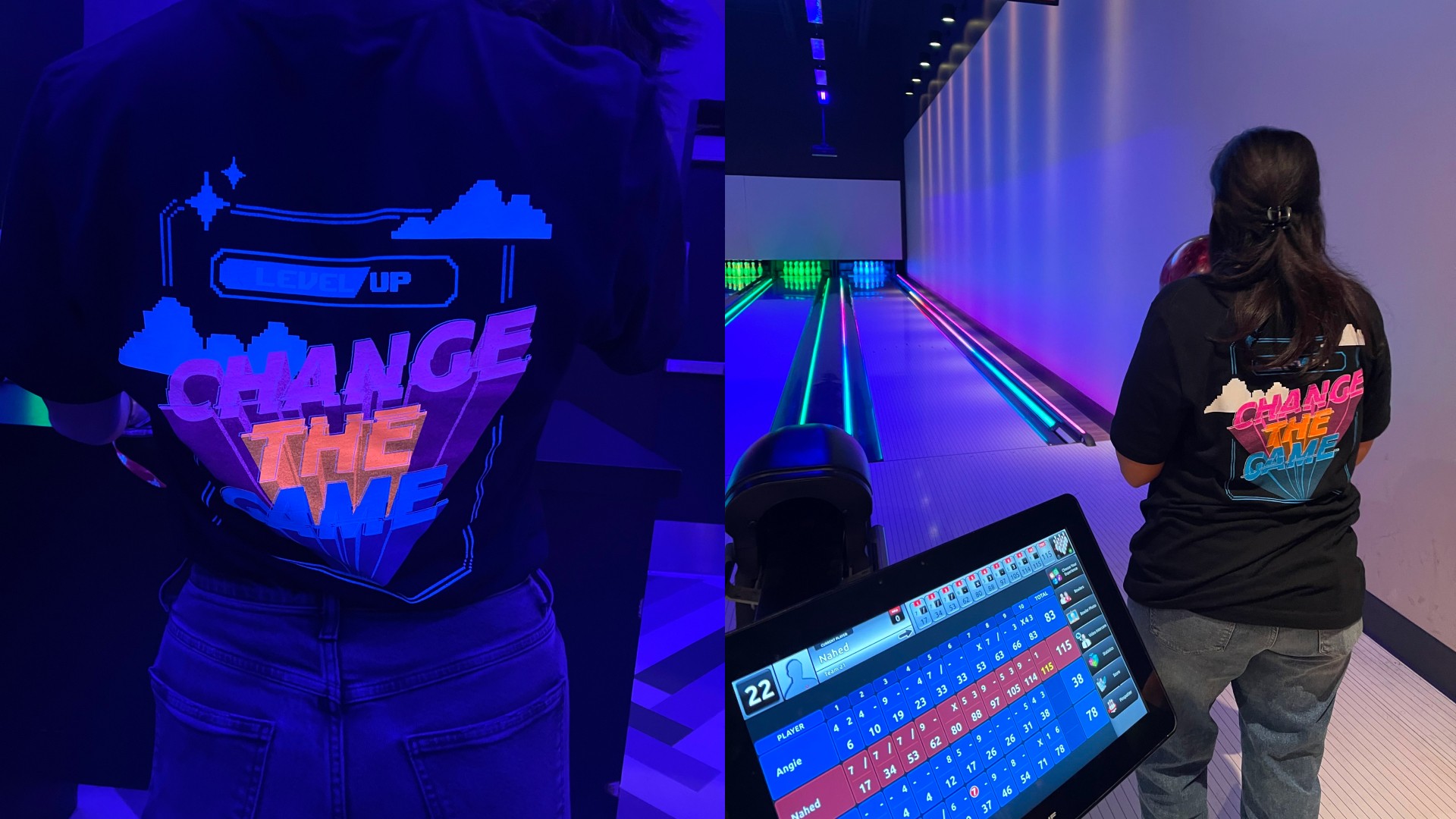
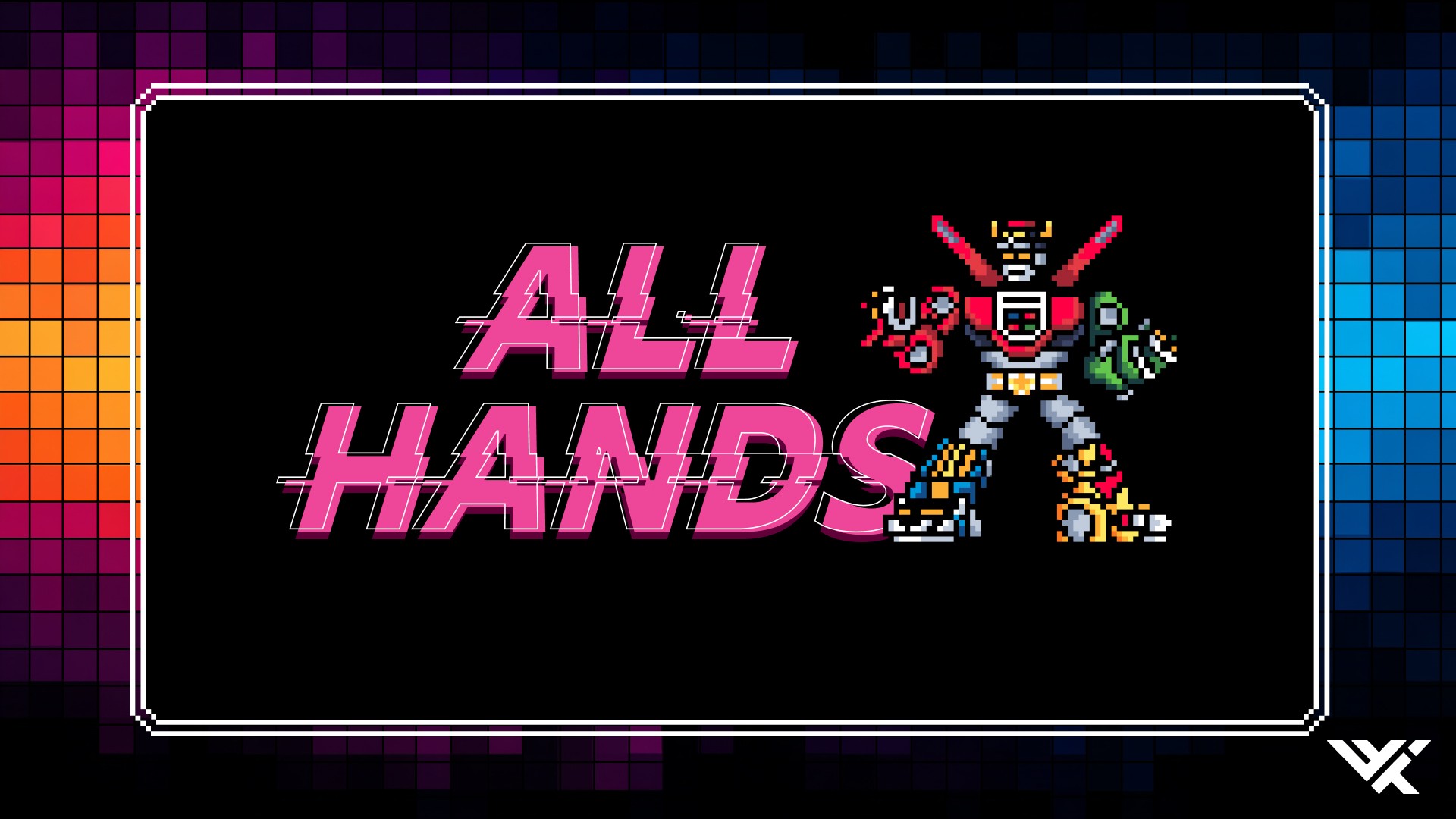
During the concept alignment meeting, the head of our department responded strongly to both the expressive typography direction and the 8-bit visual language. We synthesized these two directions in the final apparel design, using the 8-bit aesthetic as the foundational system while layering in expressive type to create a bold, statement-driven outcome. The ink was intentionally selected to glow in the dark, reinforcing the retro-gaming theme and enhancing visibility within the arcade venue.
06
Slide Design Exploration
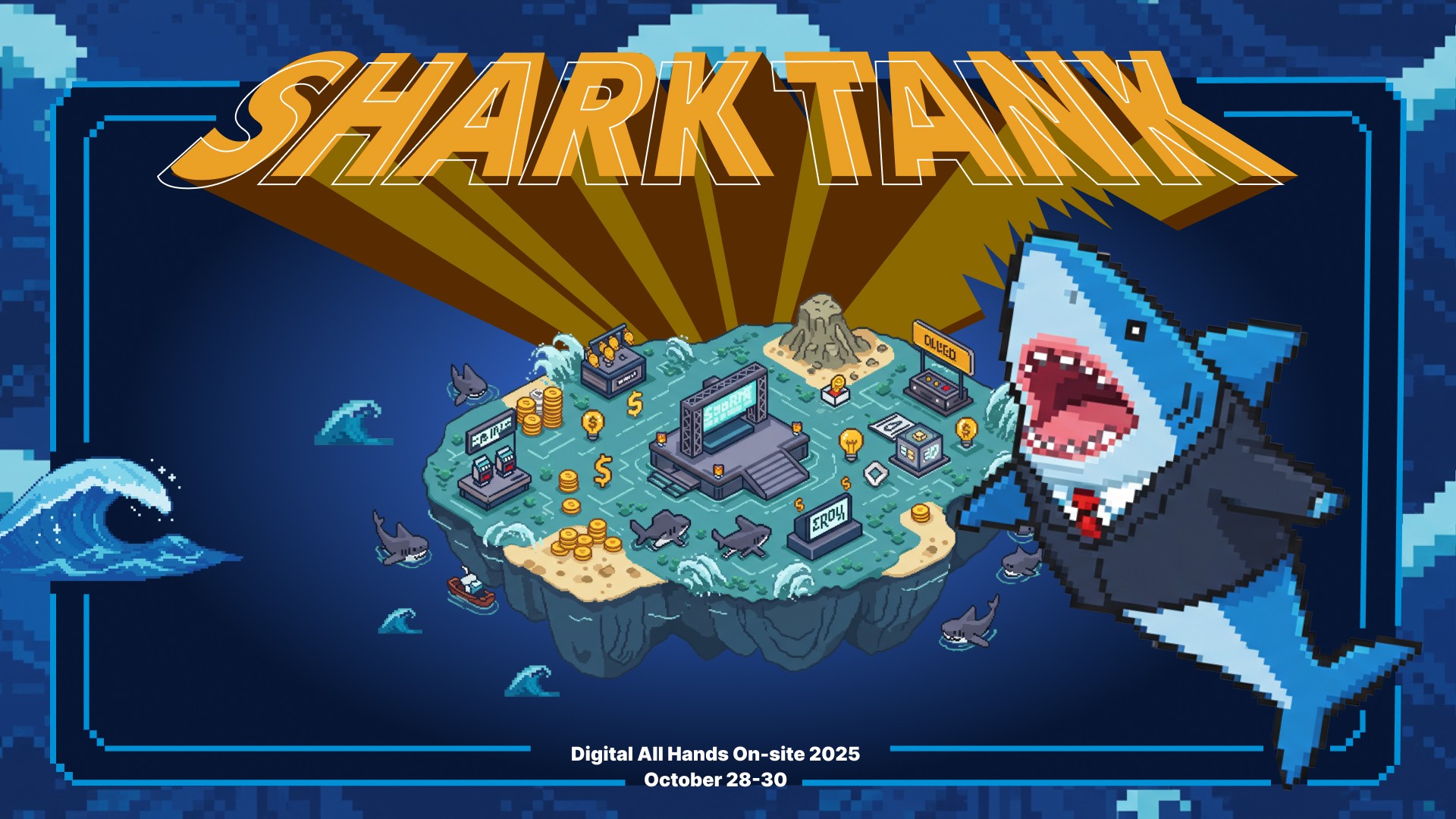
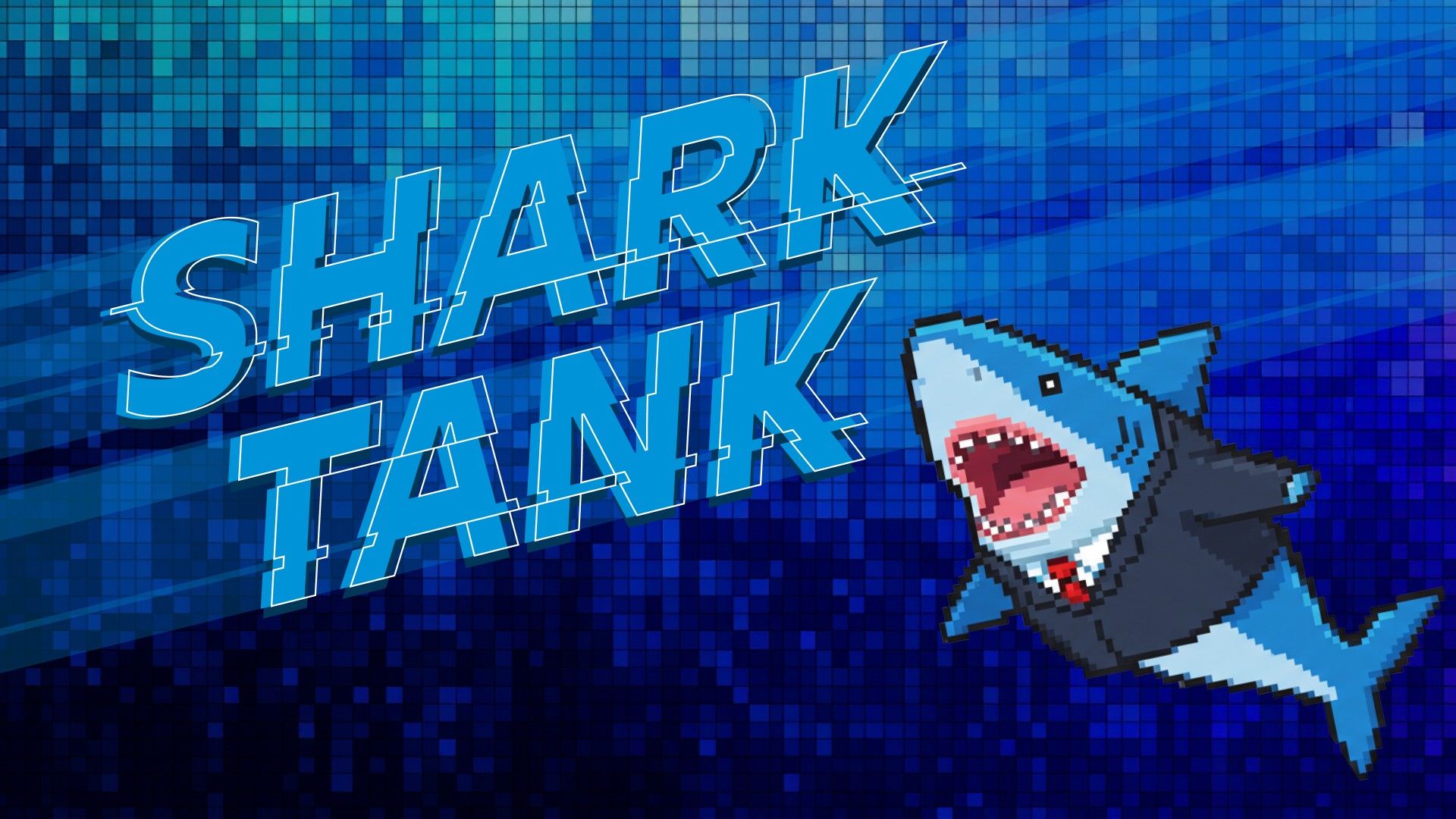
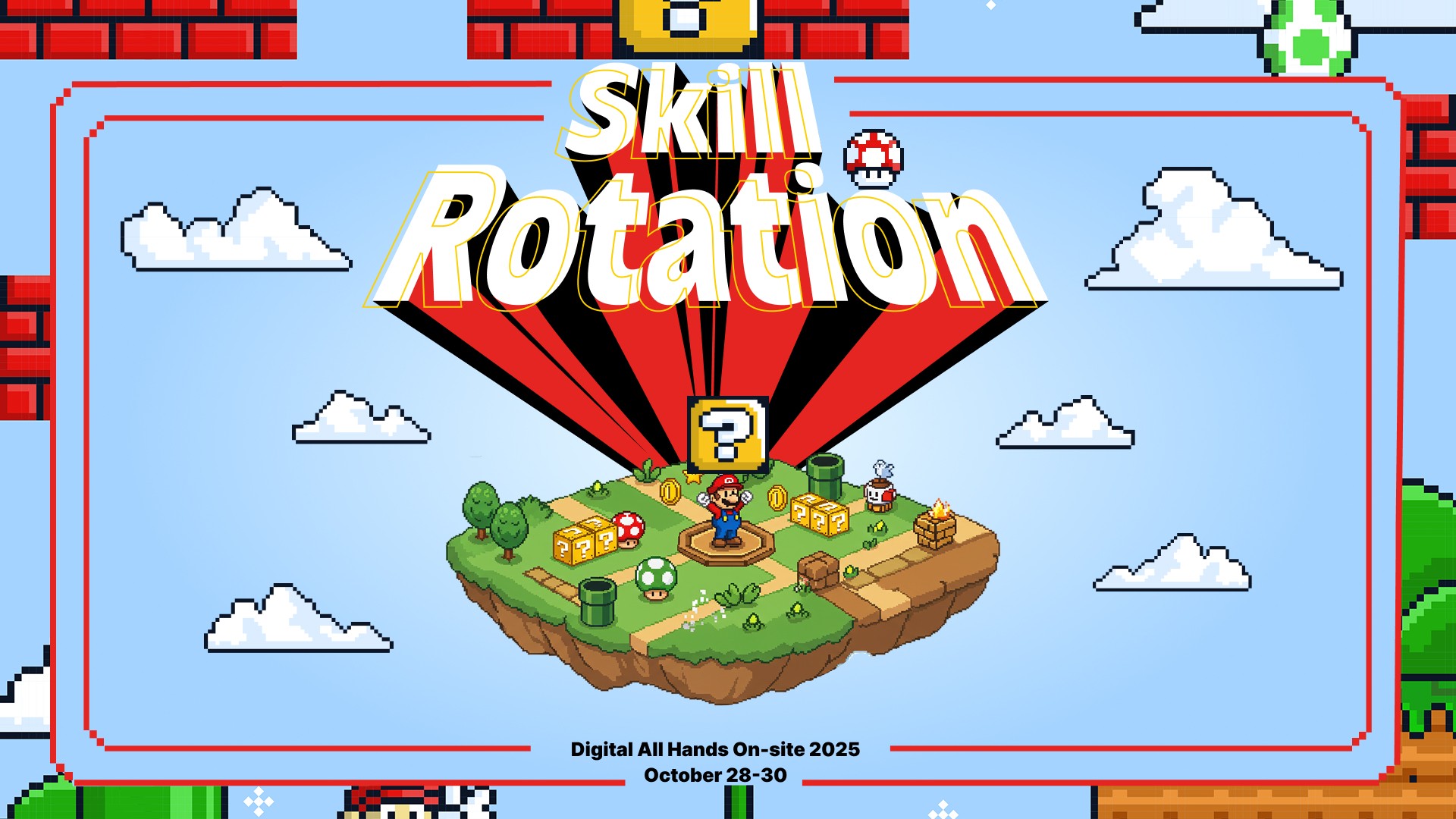
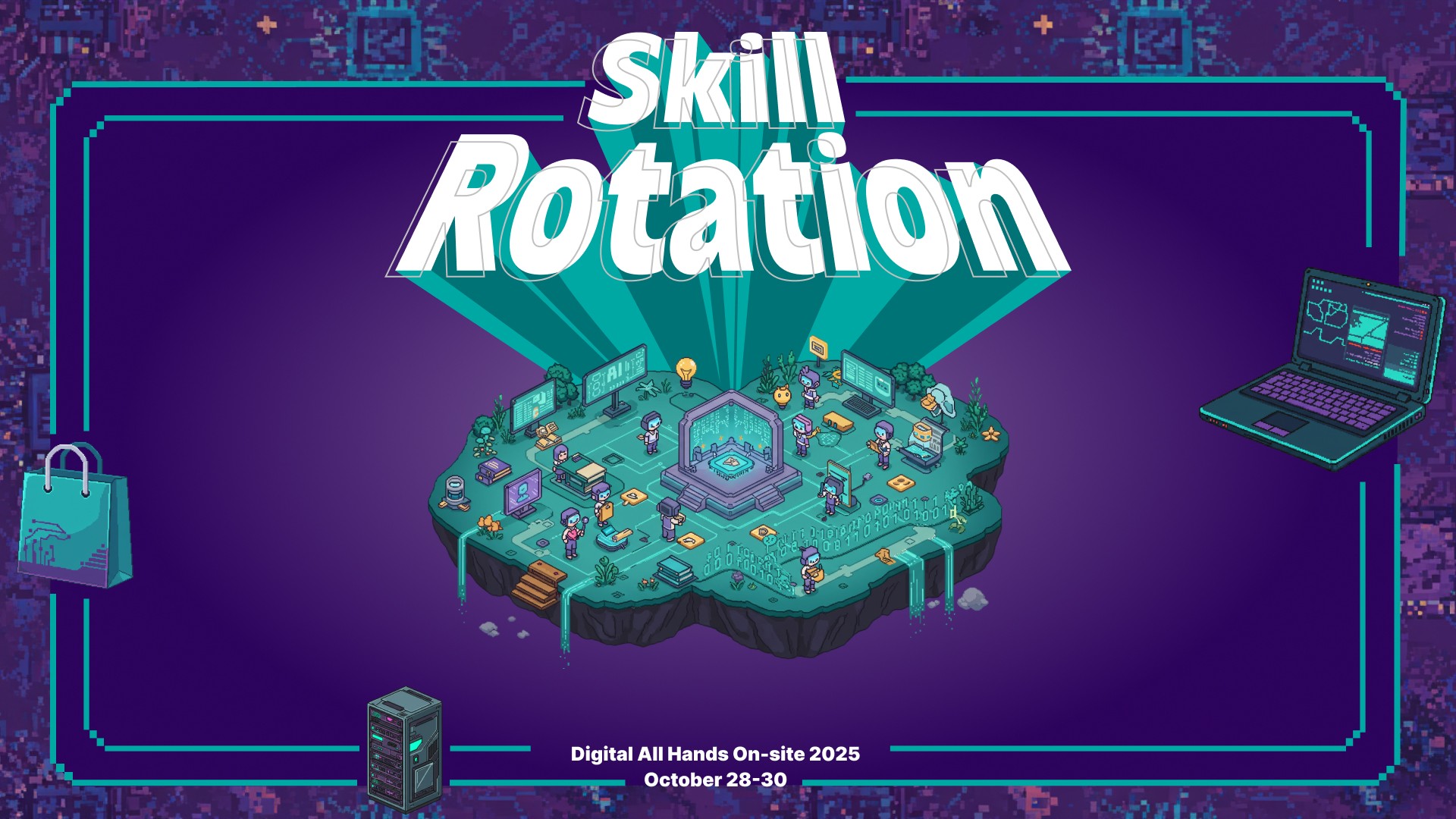
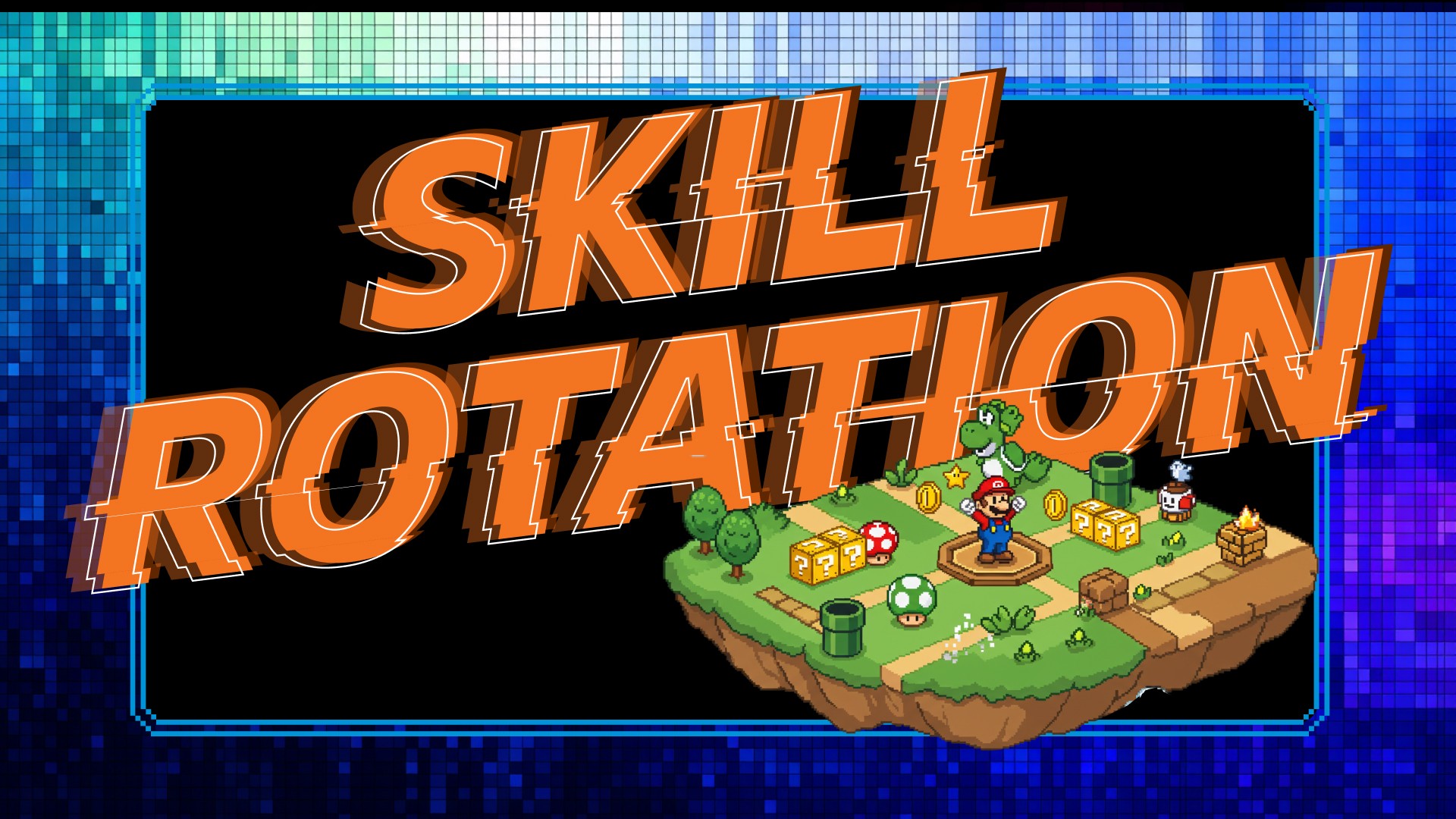
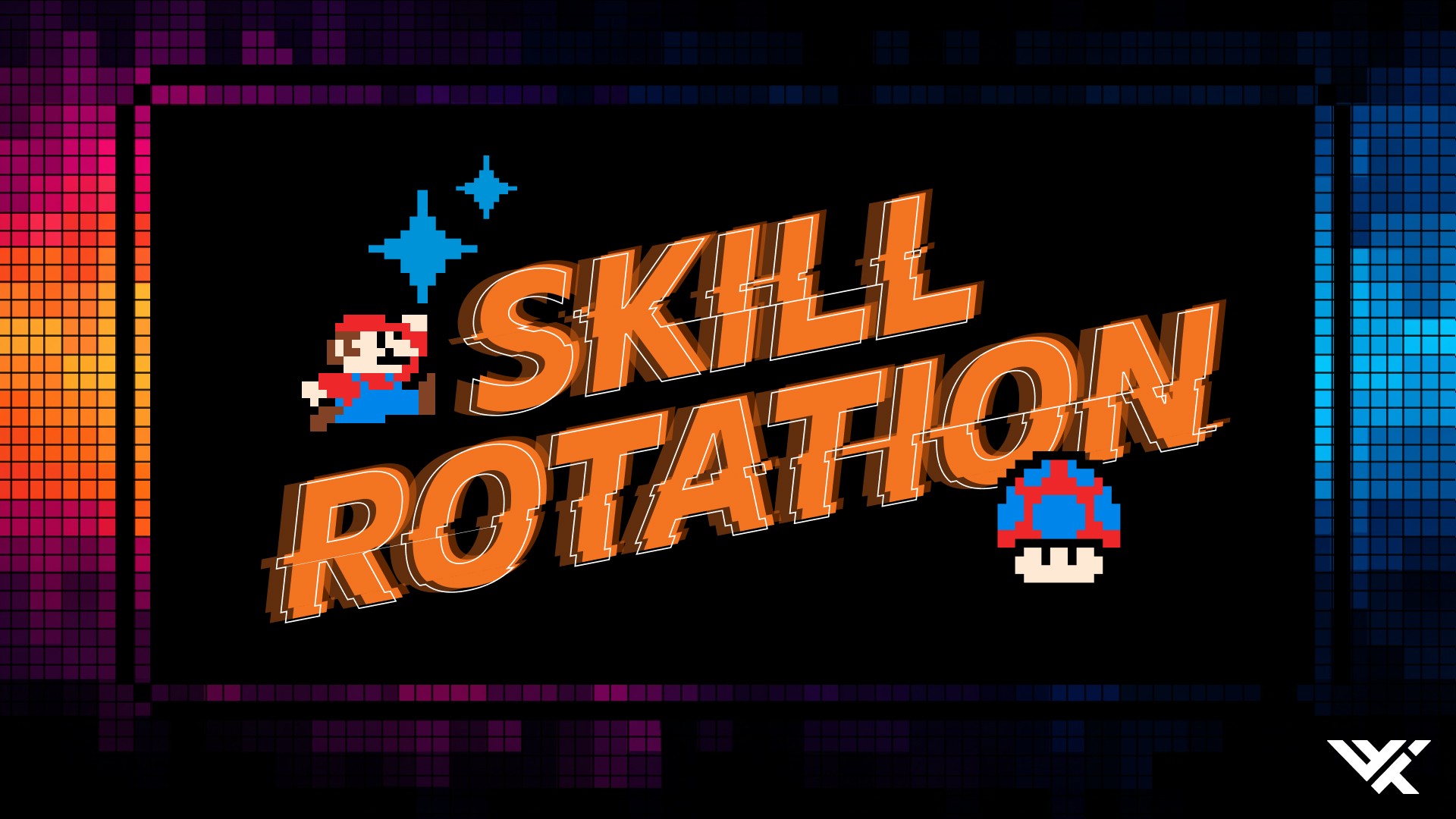
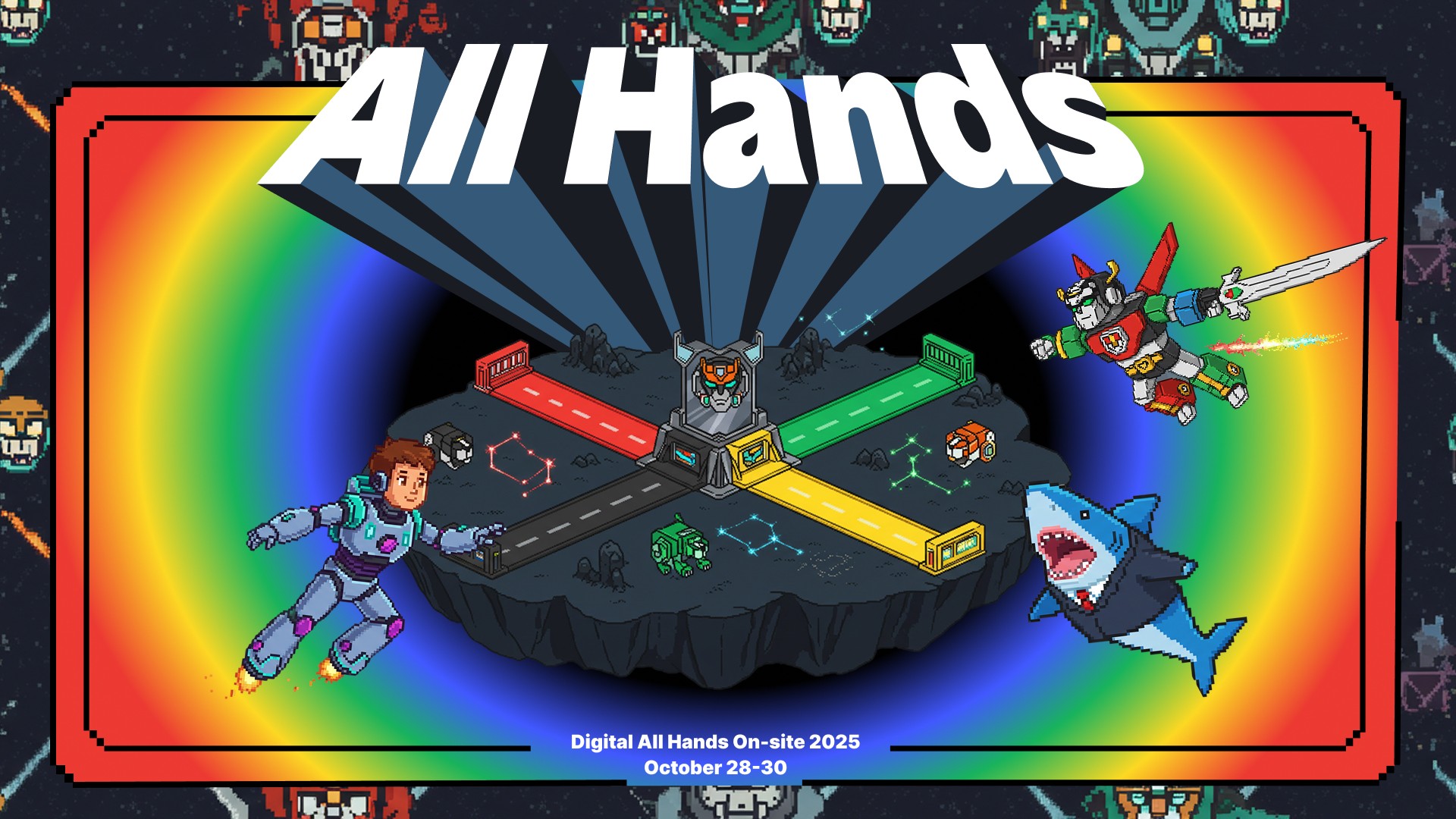
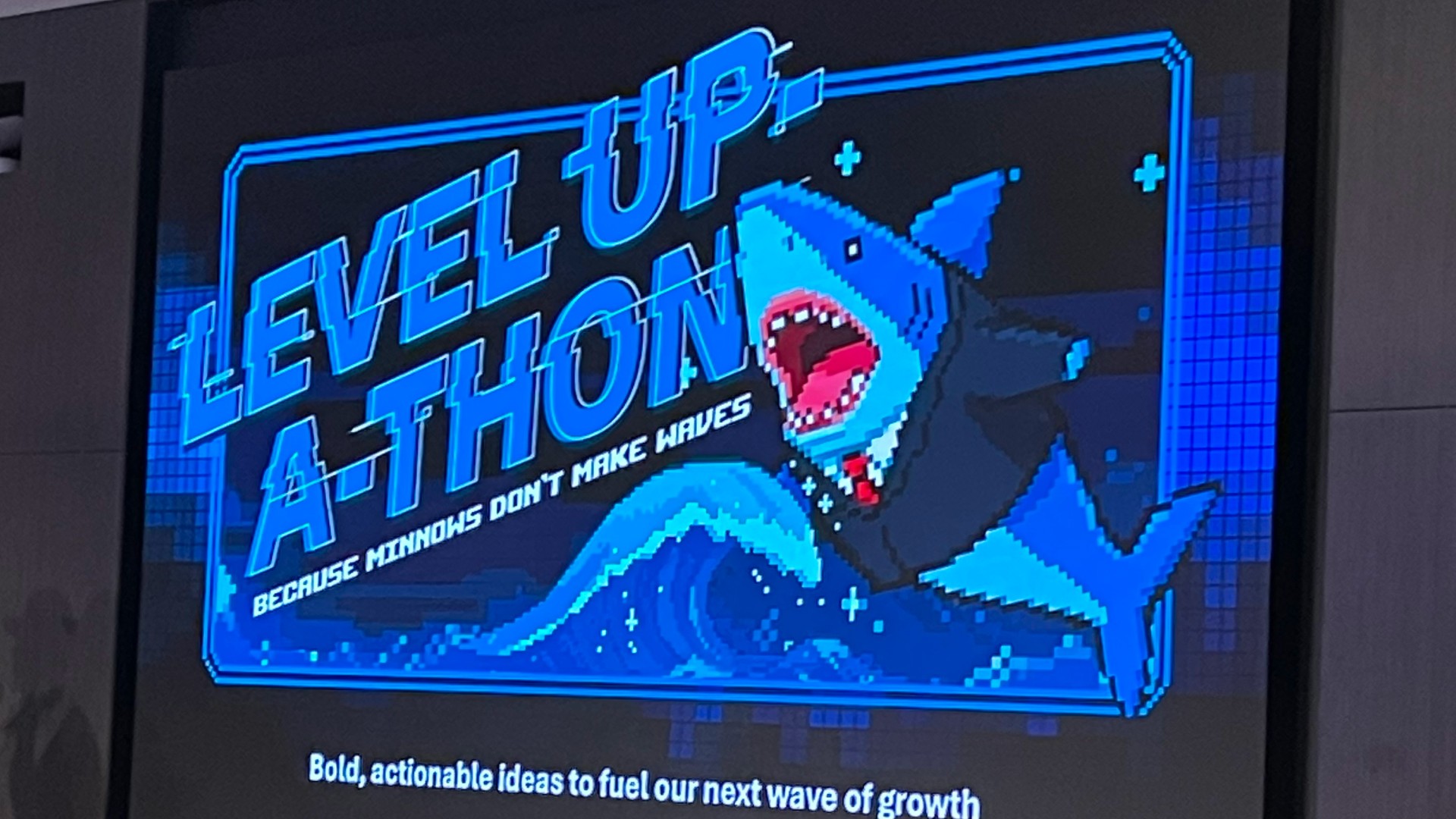
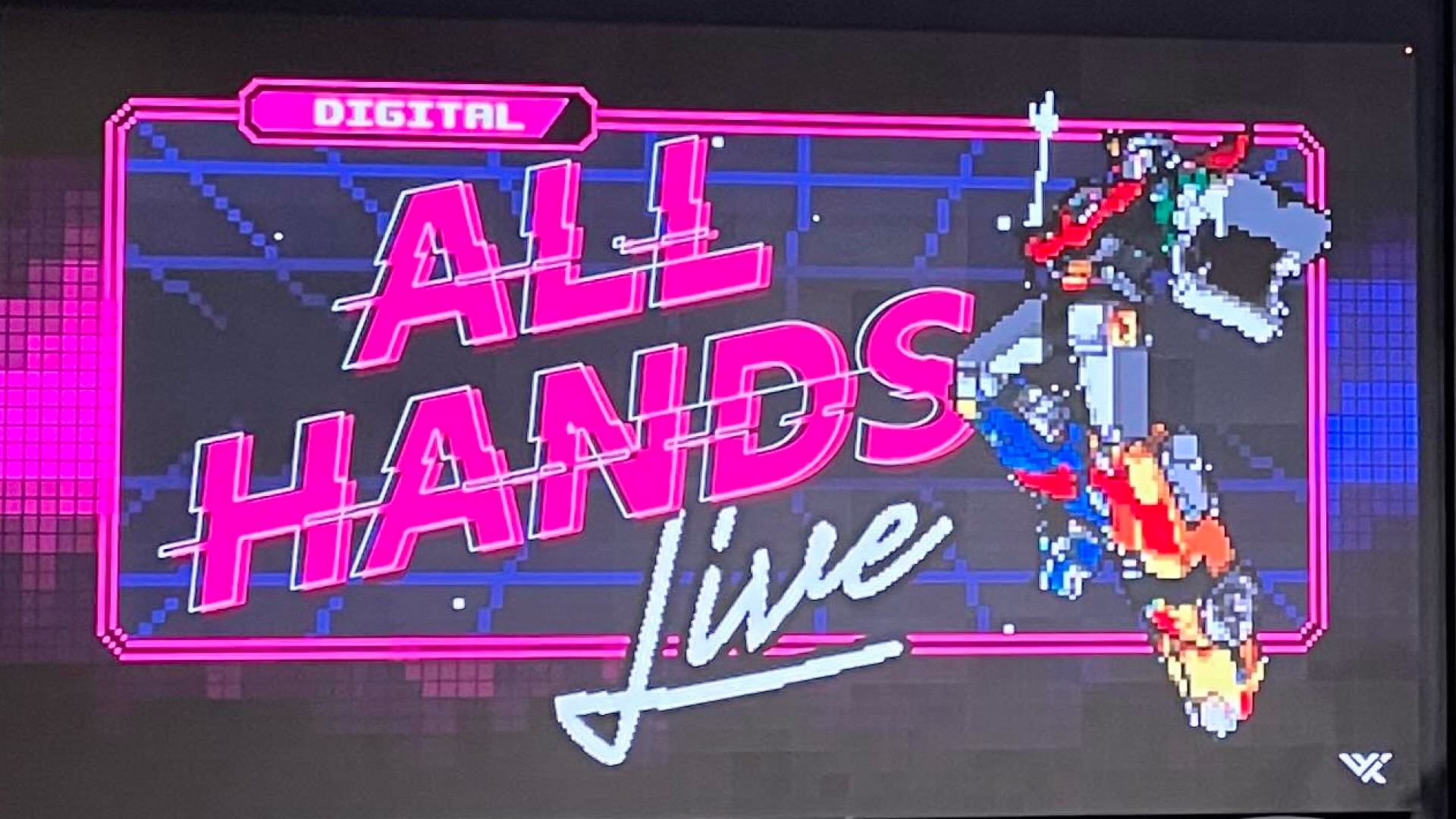
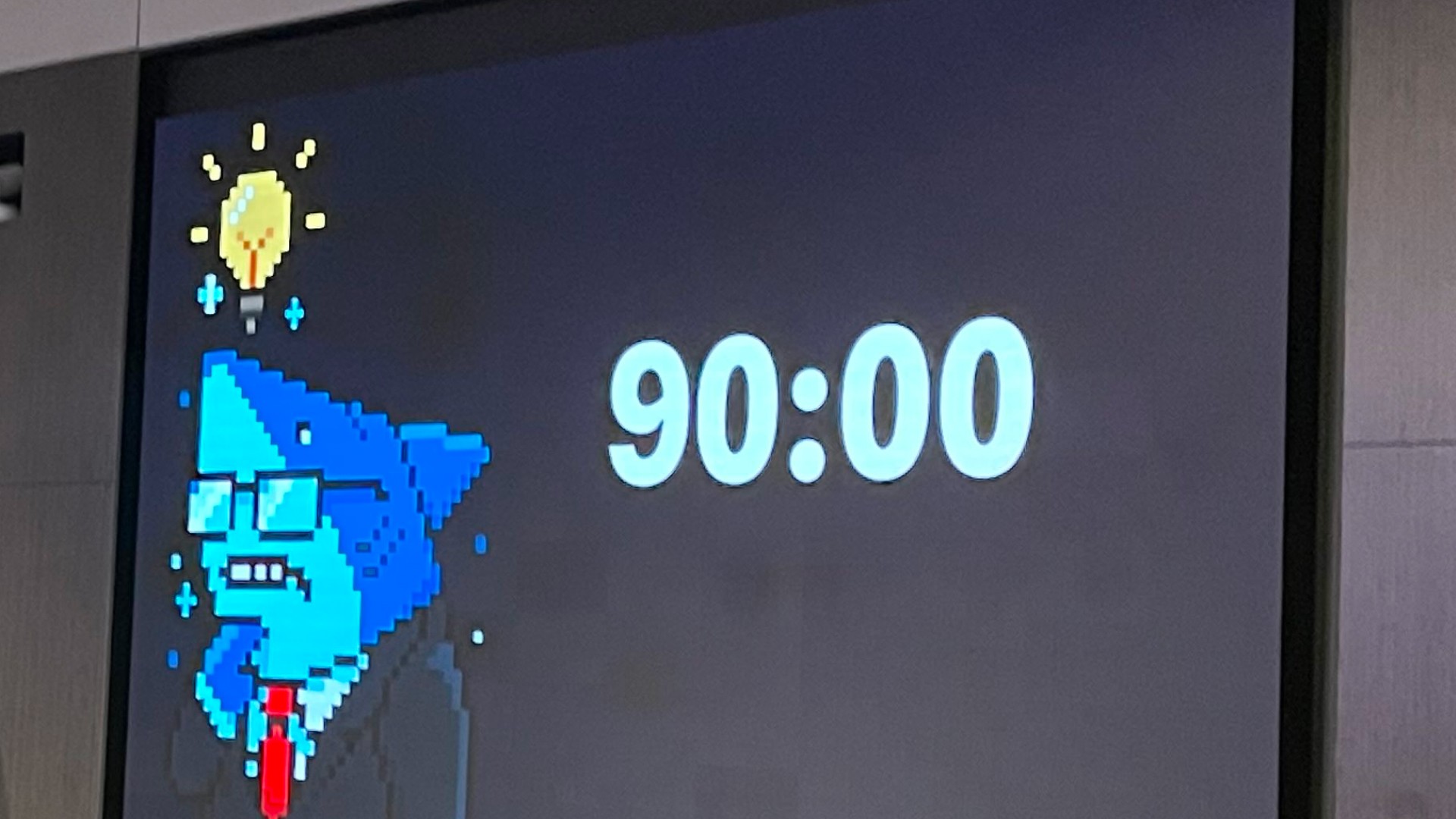
For the slide design exploration, we began by carrying over the dimensional typography to maintain visual continuity. To further align with the T-shirt’s visual language, we extended the container system into the slide designs. Initially, an island motif was introduced to represent different segments of the event and help structure the narrative. I developed the “business shark” character, which became the visual identity of the event’s competition. Leaders used the character to represent different client scales, referring to larger clients as “sharks” and smaller clients as “minnows.” The character also influenced the event’s music selection, reinforcing the theme across the experience.
08
Impact
My contributions to the brand identity supported the successful hosting of the annual onsite for over 150 team members, helping foster stronger cross-team connections and a more cohesive team culture. The character concept played a key role in shaping the event’s storytelling and was highly praised by leadership.
09
What did I learn?
Through this project, I learned the importance of designing for an entire event rather than focusing on individual artifacts in isolation. Early on, I became overly focused on the apparel design and did not fully consider the broader visual system, which made the work difficult to scale across the event. This experience helped me understand that designing a brand identity at this level is about creating a cohesive and intentional system across all touchpoints, rather than designing strong individual pieces in isolation.
I also learned how to effectively communicate design recommendations to stakeholders. At one point, a stakeholder wanted to combine all three visual directions from the moodboards. After multiple attempts, it became clear that merging the concepts reduced clarity and weakened the system. To move the project forward, the design team recommended focusing on a single primary direction. Communicating this clearly and confidently helped align the team and allowed the project to progress successfully.